
The Future of Entertainment 2026 AI And Tech Revolution
To understand where we are in 2026, we must look at the journey of storytelling.
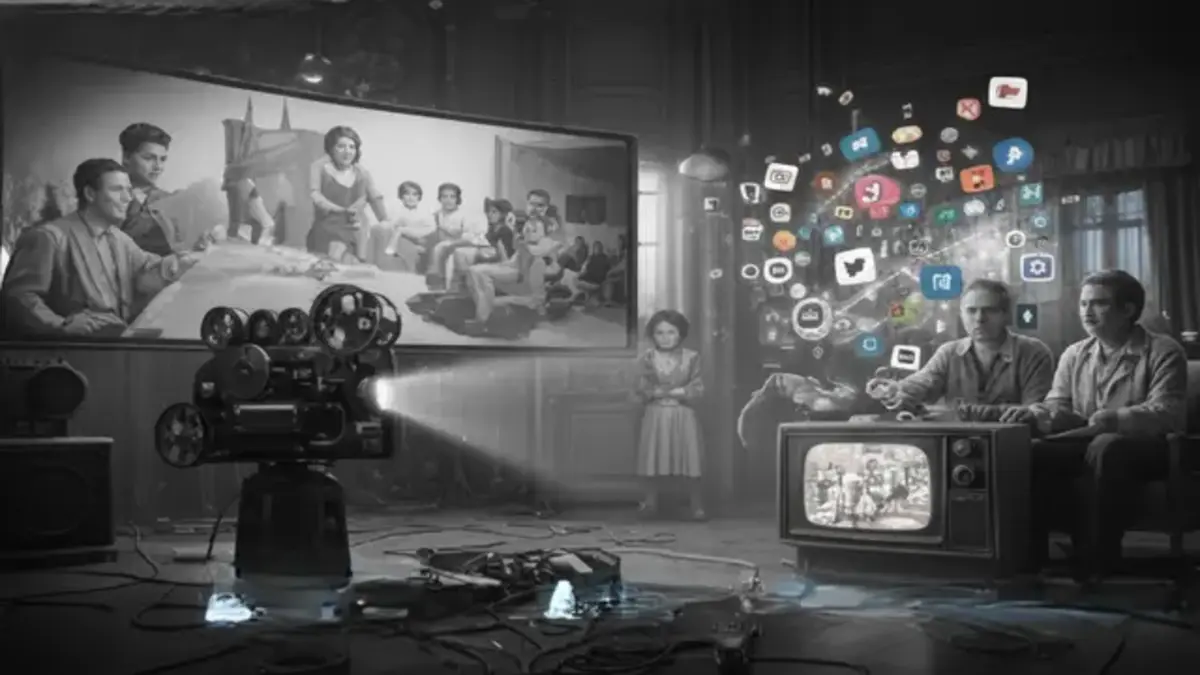
The Golden Age of Hollywood: In the 1920s and 30s, the industry was centralized. Major studios like MGM and Warner Bros.1 controlled the narrative through silent films and the eventual "talkies."2
The Television Revolution: The 1950s brought the theater into the home, fundamentally changing family dynamics and advertising.3
The Digital Transformation: The late 1990s and 2000s saw the birth of the internet, which paved the way for platforms like YouTube and Netflix.4 This era democratized content, allowing anyone with a camera to become a creator.5
Today, we are in the Age of Immersion, where the boundary between the viewer and the participant has nearly vanished.6
Major Sectors Powering the Industry in 2026
The entertainment landscape is divided into several high-growth pillars. Each is currently undergoing a "big pivot" to stay relevant to Gen Z and Alpha audiences.
1. Streaming and Digital Media
The "Streaming Wars" have entered a phase of consolidation.7 In 2026, consumers are experiencing "subscription fatigue," leading major players like Disney+ and Netflix to adopt hybrid revenue models.8
Ad-Supported Tiers: Nearly 40% of new streaming subscriptions are now ad-supported.
Niche Platforms: Services like Shudder (horror) or Crunchyroll (anime) are thriving by catering to hyper-specific communities rather than trying to please everyone.9
2. Video Gaming and eSports
Gaming has surpassed $300 billion in annual revenue, making it larger than the film and music industries combined.
Cloud Gaming: High-speed 5G/6G connectivity allows gamers to play AAA titles on mobile phones without expensive consoles.
Social Gaming: For Gen Z, platforms like Roblox and Fortnite are the new "shopping malls"—places to hang out, socialize, and attend virtual concerts.10
3. Live Entertainment and Concerts
Despite the digital surge, the demand for "IRL" (In Real Life) experiences has never been higher.
The Concert Boom: Global ticket sales have reached record highs, with the average ticket price in 2026 hovering around $144.
Visual Spectacles: Musicians are using "Candlelight Concerts" and massive LED integration to make live events "Instagrammable" and viral.
4. The Creator Economy
Individual creators on Tik Tok, Patreon, and YouTube are no longer "amateurs." They are brands. This sector has bypassed traditional gatekeepers, allowing creators to build direct-to-fan relationships that generate billions in merchandise and sponsorship revenue.11
How AI is Redefining Content Creation
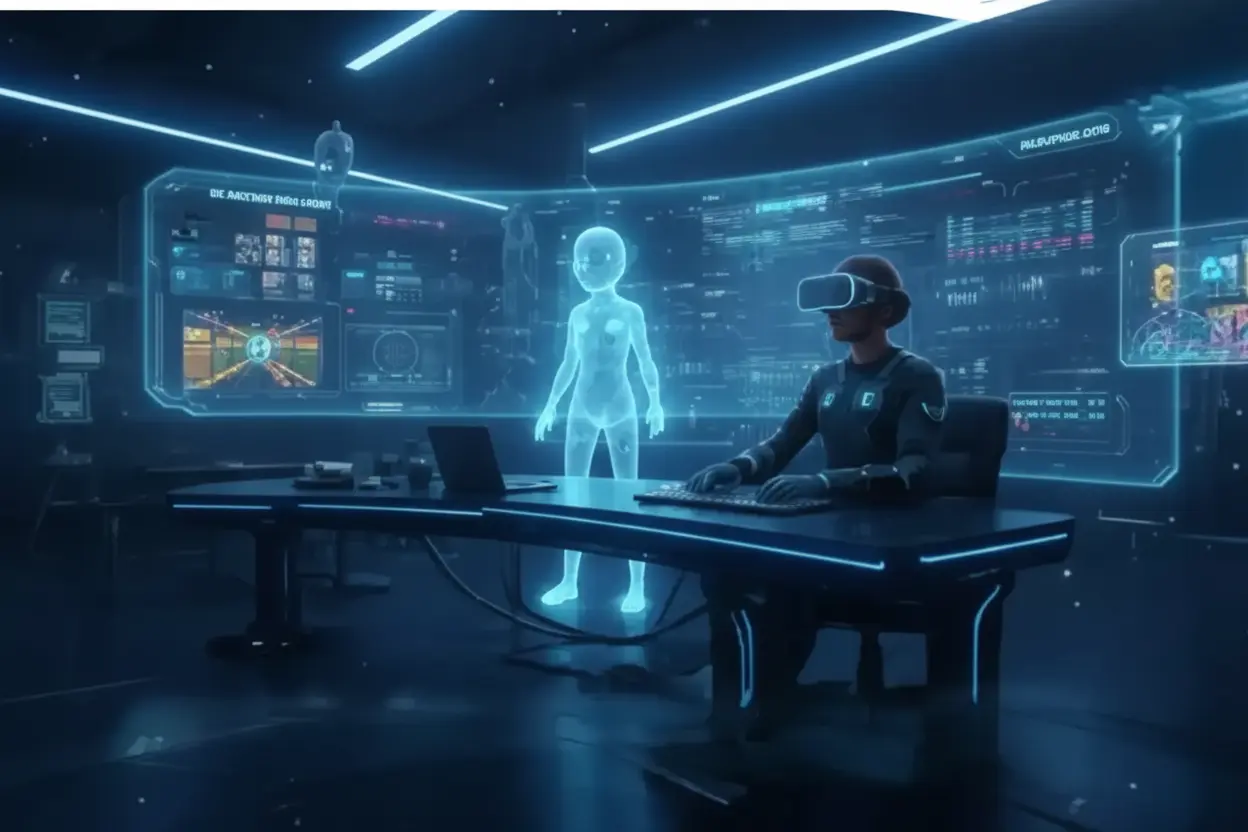
Artificial Intelligence is the single most disruptive force in 2026. While early fears focused on job replacement, the current trend is AI-human collaboration.12
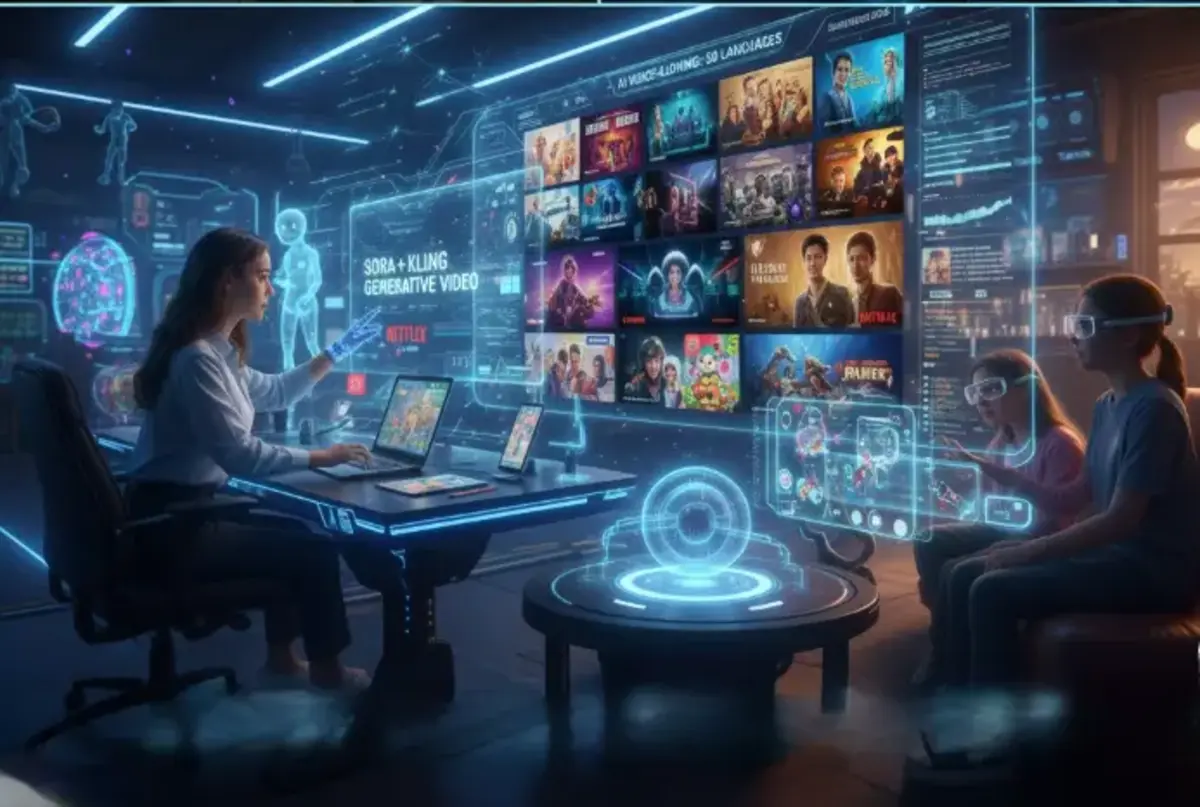
Production: Generative video tools like Sora and Kling allow studios to create complex visual effects in hours instead of months.
Personalization: Algorithms now analyze "viewer sentiment," adjusting recommendation menus based on a user's mood or the time of day.
Gaming: AI-driven NPCs (non-playable characters) can now hold unique, unscripted conversations with players.
Localization: AI voice-cloning allows a film to be dubbed into 50 languages instantly while maintaining the original actor's emotional tone.
Economic Impact and Market Trends
The entertainment industry is a vital organ of the global economy.13 In 2026, it accounts for millions of jobs in production, security, hospitality, and tech.
Retail Media Integration: Advertising is moving away from "commercial breaks" and toward "shoppable content," where you can buy an actor's outfit directly through your smart TV.
M&A Activity: Consolidation is the theme of the year.14 Major mergers (like Skydance and Paramount) are happening as companies "bulk up" to compete with tech giants like Apple and Amazon.
The Rise of Emerging Markets: Regions like Southeast Asia and India are seeing explosive growth in mobile-first entertainment, driven by cheap data and localized streaming content.
Challenges Facing the Industry
Despite the growth, the industry faces significant headwinds:
Intellectual Property (IP) Rights: As generative AI uses existing content for training, lawsuits regarding copyright and "deepfakes" are filling the courts.15
Privacy and Data: With hyper-personalization comes the need for massive amounts of user data, leading to stricter regulations on how platforms track viewing habits.16
Content Satiation: There is simply too much to watch. "Discovery" has become the biggest pain point for consumers, leading to a resurgence in human-curated "bundles."
Future Outlook: What to Expect in 2026
Looking ahead, the industry is moving toward Super Aggregation. We predict that by 2026:
The Return of the Bundle: Streaming services will likely team up with internet and mobile providers to offer all-in-one packages, mirroring the old cable TV model.
Spatial Computing: With the maturation of AR/VR headsets, "watching" a movie will evolve into "walking through" a movie.17
Search 2.0: AI agents will replace "blue link" searches, allowing users to ask, "Find me a funny movie I haven't seen that my kids will also like," and have the movie play immediately.18
Why Is Entertainment Essential? (The Human Need for Connection)
In an increasingly fast-paced and digital world, entertainment has transitioned from a luxury to a fundamental necessity. It serves more than just "killing time"; it is a pillar of psychological and social well-being.
Mental Health and Stress Relief: Modern life is high-pressure. Engaging in entertainment—whether it’s watching a comedy, listening to music, or playing a video game—triggers the release of dopamine and endorphins. This "reset button" is vital for reducing cortisol levels and preventing burnout.
A Mirror to Society: Entertainment has always been a powerful tool for social commentary. Through movies and storytelling, we explore complex themes like justice, love, and human rights, allowing us to process difficult emotions in a safe environment.
Cultural Connection and Empathy: In 2026, a person in New York can watch a series produced in Seoul (like Squid Game) and instantly connect with the emotions and struggles of a different culture. Entertainment bridges geographical gaps and builds global empathy.
The Rise of "Edutainment": The line between learning and fun has blurred. Documentary series and interactive games provide a more retentive way to absorb history, science, and politics than traditional textbooks.
Economic Engine: Beyond the personal, entertainment is a massive economic driver. It provides livelihoods for millions—from actors and musicians to software engineers, lighting technicians, and marketing professionals.
Frequently Asked Questions
1. What is the biggest trend in entertainment in 2026?
A: The defining trend is Hyper-Personalization powered by AI. Platforms are no longer just suggesting content; they are using algorithms to curate entire experiences based on a user's real-time mood, device, and even social interactions.
2. How is AI affecting jobs in the entertainment industry?
A: AI is acting as a "Co-Pilot" rather than a replacement. While it automates repetitive tasks like basic video editing or language dubbing, it has created a higher demand for creative directors and AI-prompt engineers who can guide these tools to create unique art.
3. Why is "Gaming" often cited as the future of entertainment?
A: Unlike traditional media (TV/Movies), gaming is interactive and social. It allows users to be the protagonists of the story rather than a passive observers. This level of engagement is why the gaming market is now larger than the film and music industries combined.
4. What is "Subscription Fatigue"?
A: Subscription fatigue happens when consumers feel overwhelmed by the number of individual monthly payments required to access different content (e.g., paying for Netflix, Disney+, Spotify, and HBO separately). This is leading to a return of "Bundling," where companies package multiple services for one price.
5. Will Virtual Reality (VR) replace movie theaters?
A: Not entirely. While VR offers a solitary, immersive experience, movie theaters provide a communal social experience that humans naturally crave. However, theaters are evolving into "Experience Centers" with 4D technology to stay competitive.
Conclusion
The entertainment industry in 2026 is a master class in adaptation. It has successfully bridged the gap between the physical and digital worlds, turning passive viewers into active participants. Whether through the lens of a VR headset or the roar of a crowded stadium, entertainment remains the universal language that connects us.
 Lukasa Christmas Gifts, Christmas Candle Warmer Lamp, with Timer and Dimmer, Adjustable Height Candle Lamp, Wax Melt Warmer for Scented Jar Candles, Christmas Gifts for Women Mom Girls Teens Adults$19.49$29.9935%
 Military Smart Watch for Men(Answer/Make Call), Outdoor Sports Smartwatch with Flashlight/100 Days Battery/Compass/Heart Rate/SpO2/Sleep Monitor/2 Straps, Fitness Tracker for iPhone/Android Phones$22.79$45.5750%
 64 Oz Glass Water Bottles with Straw Lid and Handle, Half Gallon Water Bottle Glass with Silicone Sleeve and Strap, Motivational Glass Bottle with Time Marker, Reusable Sport Water Jug (White)$15$29.9950%
 Managing Subscriptions A Guide to Financial PeaceManaging subscriptions effectively can save you up to $500 every year. Learn how to audit your bills and cut hidden fees with our easy guide. Discover more now.
 Try Luxury Scents for Less with Perfume Subscription DealsScore the best perfume subscription deals to try luxury scents for just $15. Avoid costly mistakes and build a designer fragrance wardrobe. Discover more today.
 How to Shop Sustainably Without Spending More in 2025Sustainable shopping in 2025 focuses on buying less, choosing durable items, reducing waste, and saving money through intentional, value-based decisions.
 Free Things to Do This Weekend Without SpendingSave $100 this weekend with a simple no-buy plan. Learn how to reset your spending habits, reduce stress, and enjoy free, meaningful activities.
 How to Create a Cozy Home on a BudgetDiscover cozy home decorating ideas on a budget and learn affordable home decor tips and interior design tricks to create warmth and style for less